Showing posts with label emergency. Show all posts

Thursday, October 8, 2015

How Pet-Prepared Are You For Emergencies?

Many people have the "it won't happen to me"- it is, however, unfortunately it does. But how prepared are YOU? We all know how much food and water to store for the human parts of the family. Do you know how much food, water, etc. you need to sustain your pet(s)? SPCA is on a mission to alert the public about the importance of being prepared. With the recent wildfires and other evacuation causing emergencies, the SPCA get crammed with supplying the evacuated family with pet supplies they forgot.

During an emergency evacuation it is very easy to forget bowls and leashes so it is VITAL for everyone to have a  pet emergency kit. Not only is it important to have 1 WEEKS supply of food and water, but it is just as important to have the items to serve the water and food, along with leashes and an identification tag incase of separation during evacuation. Each pet emergency kit should contain:
  1. 1 week (7 day) supply of food and water. Most dry pet food has a long shelf life, it doesn't need to be organic fancy food. Remember, its survival food
  2.  Food and water bowls. Buy a second pair to keep in the kit, separate from the everyday use bowls.
  3. Identification tag collar, incase of separation
  4. A sturdy crate. In some cases pets may need to be staked on top of each other for space/allergies in cramped spaces. So your Gucci soft, foldable pet purse, might not suffice.
  5. Pet blankets incase of cool or wet weather for warmth
  6. Plastic bags for poop pick up, or a small litter box/newspaper for cats
  7. A copy of your pets vaccination history - for validation if needed. Some emergency shelters won't allow pets that don't have proof of vaccination for safety reasons
  8. Medications - always keep pet meds in an easily accessible place that is easy to get in an emergency situation.
  9. A pet first aid kit - buy one at a pet store, or click here to make one of your own here with the help of the humane society! 
  10. A toy or two will always help keep pets busy/keep them company if stacked
*Having a list near your pet emergency kit will help make sure if you have to leave quick, you have everything you need!*

No one likes to think of an emergency, especially in their own town, but it happens. The best thing you can do is be prepared! With those 10 simple items, your pet emergency kit will keep you and your pet thriving in any emergency situation.


Don't forget from the 1st to the 31st of October, we are holding a "PETober Halloween Contest" Send us a picture of your pet's Halloween costume for a chance to win a PETastic Prize Pack! Click here to enter!


Xoxo P

Don't forget to like us on Facebook, and follow us on Instagram, Twitter, and Pinterest!

Thursday, July 9, 2015

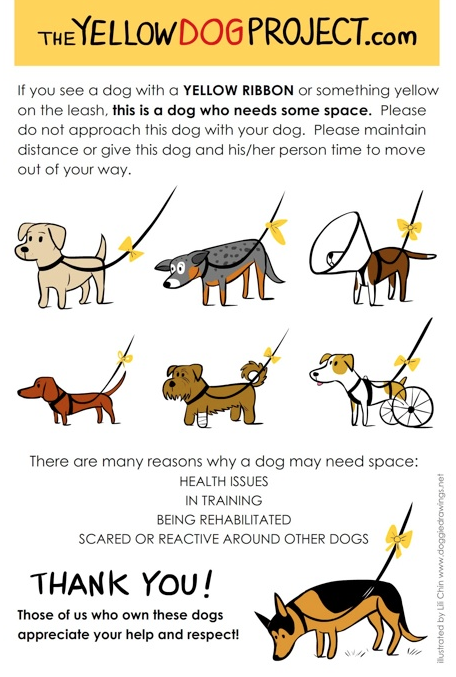
VERY IMPORTANT! We Need To Get The Yellow Dog Project Word Out!

It seems almost every day you go online you see a post about a dog attack – usually some news station reporting exaggerated and false information. According to dogsbite.org, “In North America every day around 1,000 people need medical care from a dog bite/attack. In 2001, an estimated 368,245 persons were treated in U.S. emergency rooms for nonfatal dog bite-related injuries,” and the statistics have remained relatively unchanged. Although the numbers are high for dog bites, I would like to remind everyone that a person is roughly 23 times more likely to be injured from a fall, 12 times more likely to be injured by a car, 7 times more likely to be injured by a sharp object and 1.5 times more likely to be injured by a bicycle (aspca.org). All this data really sinks in when you realize the amount of dogs in society – there are an estimated 75 million pet dogs in the United States alone in 2007-2008. With that being said, I am not saying dog bites are not a problem and do not need to be addressed, but how do we really tackle such a diverse problem? Whenever dog bites or dog bite statics come up, people immediately blame the dog: this breed is vicious, this gender is more likely to bite, these kind of dogs shouldn’t be allowed to be in this place, but this much more vicious but much smaller dog is okay to be here (*cough* Pitbull vs Chihuahua *cough*).

I am not here to preach dog equality, or that humans are the real problem… even if most the time we are. Nevertheless, what I am here to talk about today is the Yellow Dog Project. A HUGE amount of dog bite/attacks can be easily prevented with proper knowledge/awareness. 42% of dog bites in 2001 occurred among children aged 14 years and younger; injury rates were highest among children aged 5-9 years and were significantly higher for boys than for girls. Now, I think pets are vital to a child’s learning and loving process while growing up, however, many attacks on children are simply because the child approaches incorrectly, too aggressively, or simply approaches an unapproachable dog. Be it behavioral, physical, or temporarily emotional, dogs are like humans in the way they can suffer from anger and anxiety problems.

What is the Yellow Dog Project?

The Yellow Dog Project is a way to help both children and adults stay clear of dogs that shouldn’t be approached and need their space or dogs that you need to ask the owner first before going near the dog. For example, a dog that must be approached in a certain way, such as a dog blind in the right eye and need to be approached from left, or dogs that just need their space, such as a dog in pain from surgery. The project is simple, tie a yellow ribbon to the leash (or somewhere visible on your dog while being in public). If you see a yellow ribbon on a dog, then you know to give it space, or make sure to talk to the owner before approaching the dog.

Please be aware, the Yellow Dog Project IS NOT:

An excuse not to train your dog, or any reason to value a dog less.

 
This worldwide initiative needs to be heard from sea to sea! This project can save many dogs from euthanasia, shelters, and retaliation abuse at the hands of uneducated owners/bite victims and save many people of all ages from bites and possible attacks. If you know a dog who could benefit from the Yellow Dog Project, or would like to donate to the non-profit organization, check out their site at www.theyellowdogproject.com  


Xoxo Petopolis

Don’t forget to like us on Facebook, and follow us on Twitter, Pinterest, and Instagram

Saturday, July 4, 2015

JAW DROPING! The truth behind the Slow Loris Trade!

If you have a moment, PLEASE watch this. I was also a victim of thinking this was cute, not knowing the truth behind it. I thought she enjoyed this, I had no idea she was terrified and trying to build up venom in her elbows by holding them up to let them pool. KNOWLEDGE IS POWER!

This video helps shine a light on the dark, horrible trade of slow loris babies. It talks about how their teeth are ripped out without any medication and how they are crammed into airless crates. It educates on how bright lights SERIOUSLY DAMAGE their eyes and how they travel long distances at night and rely on that travel to stay healthy.

Please share, like, and sign the petition! :)


xoxo P

Don't forget to like us on Facebook, and follow us on Instagram, Pinterest, and Twitter!

Thursday, June 4, 2015

Feel Good Story - Caitlyn Is Out Of Surgery And Doing Great!

This is Caitlyn, the dog that had her mussel taped so tightly the veterinarians worried much of her tongue and mouth would become permanently damaged.


 Caitlyn was found with tape around her mussel so tight that her tongue was completely dead and her lips were so weak she couldn't hold food or water inside. The veterinary team worked closely with the police and after lots of searching and hard work, they did find the man whom is responsible for this horrendous act. They worried her whole tongue and mouth would be dead and unusable; she wouldn't be able to eat or drink on her own ever again.


When they removed the tape, their fear was confirmed: the tape had been there long enough to kill much of her tongue and stop blood flow to a lot of her face. Surgery was her only chance of survival. They decided to remove the dead parts of her tongue and hopefully repair enough of her mouth so that blood flow would start up again and she would be able to hold food inside when eating in the future.


This is Caitlyn after her surgery. She pulled through AMAZINGLY! They amazingly didn't need to take out as much of her tongue as they originally thought. Time will tell if her mouth will be strong enough to hold food and water. This is one tough cookie!


xoxo P
 
Don't forget to like us on Facebook and follow us on Twitter, Pinterest, and Instagram.

Saturday, May 23, 2015

*CAUTION* New Spike In Cases In Rare and Dangerous Virus WORSE Than Lyme Disease That You Can Pass To Your Pets

There has been an alarming increase in cases of a virus called Powassan virus. The virus is transferred and carried to human and pets through tick bites. It is found in the United States in the Northeast and Great Lakes area and across Canada. It was discovered in 1958, in Powassan, Ontario, where it was identified in a young boy whom eventually died from it. Until just under a year ago there has only been 16 cases in Canada since 1958, all in the New Brunswick, Quebec and Ontario. In the past year infected ticks have been found across Canada from New Brunswick, Nova Scotia, PEI, Quebec, Ontario, Alberta, and British Columbia. Human cases have been reported this spring in New York, New Jersey, Massachusetts, and Maine.

The Powassan virus can infect the central nervous system, with similar symptoms to Lyme disease but much more severe, worst of all, there is no cure at the moment. The Powassan virus is in the same family as the West Nile Virus. Currently, approximately 10% of infected cases have lead to death. Infected patients are likely to become susceptible to both encephalitis and meningitis, which is basically the inflammation of the brain and surrounding tissue, which can cause neurological damage. Once a human or pet is bit by an infected tick, symptoms can start to occur in only a matter of hours.

Testing for Powassan virus was once only tested on groundhog ticks, is now being tested on blacklegged ticks. With the number of blacklegged ticks skyrocketing, it is worrying to doctors that they now carry the virus.

Although getting infected is rare, since there is a possibility if death and the sudden spike of cases, doctors are urging people to do everything they can do to protect themselves. Recommended guidelines doctors are giving;

  • Avoid wooded and bushy areas with high grass
  • Carry and USE bug spray
  • Do a full body check on yourself, children and pets when spending time outdoors
  • Take off clothes when you get home and shower immediately, if the tick hasn't started to feed you have the possibility of washing it off
  • Put your clothes in the dryer right when you take it off, it helps prevent the tick jumping off your clothes and dry for at least one hour to kill the tick
I hope everyone stays safe and healthy! Don't forget only 2 days left in our Weekend Contest: Send in a picture of you and your pet having fun on the weekend and you could win!! Send in your picture here!

xoxo P

Don't forget to like us on Facebook, follow us on Twitter, Pinterest, and Instagram

Wednesday, May 13, 2015

New Dog Flu Virus Surfacing!! The What, Where, & How To Avoid

There has been a new dog flu virus that has currently affected over 1000 dogs and is responsible for 6 deaths in Illinois, Indiana, Ohio, and Wisconsin. The virus most likely started in Asia. The strain has been found in China and Korea, it is estimated an infected dog came from China to Chicago.

The flu virus is not the same as the previous virus, named H3N8, that has been circulating since 2004. The new virus has been named H3N2 and exhibits symptoms very much alike a human flu:
  • Coughing
  • Nasal Discharge
  • Fever
  • Loss of Appetite
However, a very small percentage of dogs can carry this new virus without showing any symptoms.

Dr. Keith Paulsen from the University of Wisconsin-Madison explained the virus most likely spreads predominantly through nose to nose contact, which can happen at the dog park, vet office, on the street, at a daycare, and just about anywhere your dog can come into contact with another dog. I am not saying to quarantine your dog from others, just be vigilant and if your dog starts to show any signs of the H3N2 flu virus treat it immediately. Fortunately, there have been no cases of humans getting sick from dog contact, however, there have been reports of cats getting sick from being in direct contact with infected dogs, but no virus-positive cats have been identified yet.

The H3N2 flu virus:
  • Has a 3 day incubation period
  • An infected dog can be contagious for up to 14 days
  • The symptoms can last anywhere from just under 5 to just over 7 days, however the cough can last for several weeks
There is a vaccination for the previous H3N8 flu virus, but is only available for dogs who are at high risk of contracting the virus. It is unsure if the vaccination for H3N8 will be effective for the new strain. Few pharmaceutical companies are working on a vaccination for the new strand, but it will be 4-6 months before anything becomes available, so the best thing we can currently do is be vigilant and if your dog does get infected, avoid any nose to nose contact!

Xoxo P

Don't forget to like us on Facebook, and follow us on Twitter, Pinterest, and Instagram
 

Thursday, April 16, 2015

Medications In Your House You Can Give Your Pets!

For the past two days I have been mega sick, like hug a toilet sick. Which got me thinking… Can you pass a cold/sickness to your pets? Also, if they do get sick, are there any medications that you would have around the house that you could give your pet?

Between dogs and humans, there have been no viruses passed from human to dog to date. However, between cats and humans there have been reports of viruses passing between the two. An example of this is the H1N1 virus was found in cats in the States. Also, cats and cats can get sick from each other that are similar to a cold, but good news, humans can’t catch those viruses.

So, let’s say you got sick and you notice your cat getting sick; is there anything that you can give your cat out of your medicine closet? Please remember, always consult your vet and it is always best to use medicine for cats, this list is only to be used if you need a last resort until you can get to a vet. In alphabetical order:

  • Anbesol: can be used only ONCE for mouth / teeth pain
  • Benadryl: half (1/2) MG per POUND – a 12 pound cat can have 6 mg – every 8 hours – for allergies/itching
  • Calamine Lotion: rub a thin amount to sore / itchy (outer) skin for temporary relief
  • Cortaid / Hydrocortisone Cream: apply no more than twice (2) daily to itchy / sore areas
  • Digel Liquid: up to 2 TBS, every 8 hours – for antacid and anti-gas
  • Dramamine: give ONE QUARTER (1/4) of a 50 MG tablet – approx. 12 mg – reduces car/motion sickness
  • Hydrogen Peroxide (3%): 10ml by mouth, repeat in 15 mins if not vomiting, do not exceed 3 times – used to induce vomiting if ingested poisons
  • Kaopectate: 1ML per POUND, every 2 hours – relieves diarrhea
  • Metamucil: mix half a teaspoon of powder into a small cat’s food, use a full teaspoon for a larger cat
  • Mineral Oil: up to 2 tbs daily – eliminates constipation
  • Neosporin / Antibiotic Ointment: can be used no more than four (4) times a day to help prevent infection
  • Pedialyte / Gatorade: dilute with 1:1 amounts of water to help with treating dehydration
  • Vicks VapoRub: dab a small amount onto your cat’s chin to help ease breathing

Now, what if your dog is getting sick? Can you give your dog any of your medications? Yes, yes you can. In alphabetical order:

  • Benadryl: (same with cats) half (1/2) MG per POUND – a 20 pound dog can have 10 mg – every 8 hours – for allergies/itching
  • Buffered Asprin: 5MG per POUND, every 12 hours – for pain relief/anti-inflammatory
  • Digel Liquid: up to 4 TBS, every 8 hours – for antacid and anti-gas
  • Dramamine: up to 50 MG, every 8 hours – reduces car/motion sickness
  • Hydrogen Peroxide (3%): 10ml by mouth, repeat in 15 mins if not vomiting, do not exceed 3 times – used to induce vomiting if ingested poisons
  • Immodium AD(liquid or tablet): 1ml per LB or 1mg per 20LB, every 8 hours – relieves diarrhea
  • Kaopectate: 1ML per POUND, every 2 hours – relieves diarrhea
  • Mineral Oil: up to 4 tbs daily – eliminates constipation
  • Pedialyte / Gatorade: dilute with 1:1 amounts of water to help with treating dehydration 
  • Pepto Bismol: 1TSP per 5 lbs or 1 PILL per 20 POUNDS, every 6 hours – used to control diarrhea, vomiting and gas
  • Prednisone (by prescription) : check with your vet for dosage information, it is prescribed for inflammation
  • Rimadyl (by prescription): check with your vet for dosage information, it is prescribed for arthritis
  • Robitussin DM: 1 TSP per 20 POUNDS, every 8-12 hours – used to help with coughing and hacking
  • Kaopectate: give 1 teaspoon per 10 pounds to help control diarrhea and vomiting - a 20 pound dog can have 2 teaspoons
  • Tagamet / Pepcid AC (Antacids): Check with your vet for dosage information, they are effective at controlling vomiting and acid irritation caused by ulcers

NEVER GIVE YOUR PET IBUPROFEN OR TYLENOL!!!


Always try to check with your vet before you give your pet any medication, but if you are out of options, these are great options until you can get to a vet!!

Xoxo P

 Don't forget to follow us on Twitter, Pinterest, Instagram  and like us on Facebook 

Thursday, April 9, 2015

Great Emergency Informational Image

Not everyone knows what to do in an emergency situation. It is very important to keep calm and follow the steps recommended!